Forbes Names Andalucia a Top Global Travel Destination for 2026 – What That Means for Tourism and Real Estate
Forbes — one of the world’s most influential business and lifestyle media brands — has unveiled its “26 Destinos a los que viajar en 2026” list, a curated guide suggesting the most compelling places worldwide to visit this year. In its 2026 edition, only two Spanish destinations earned a place: Andalucía and Madrid. Among these, Andalucía stands out not just for its cultural and historical wealth but for the broader economic and real estate implications this spotlight could bring. (Forbes España)
🔗 Read the full Forbes travel list here: https://forbes.es/forbestravel/839318/lista-forbes-travel-26-destinos-a-los-que-viajar-en-2026/
Andalucía: A Region Reimagined for Modern Travelers
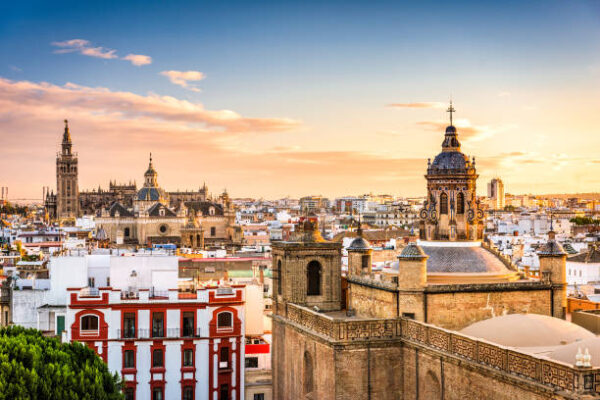
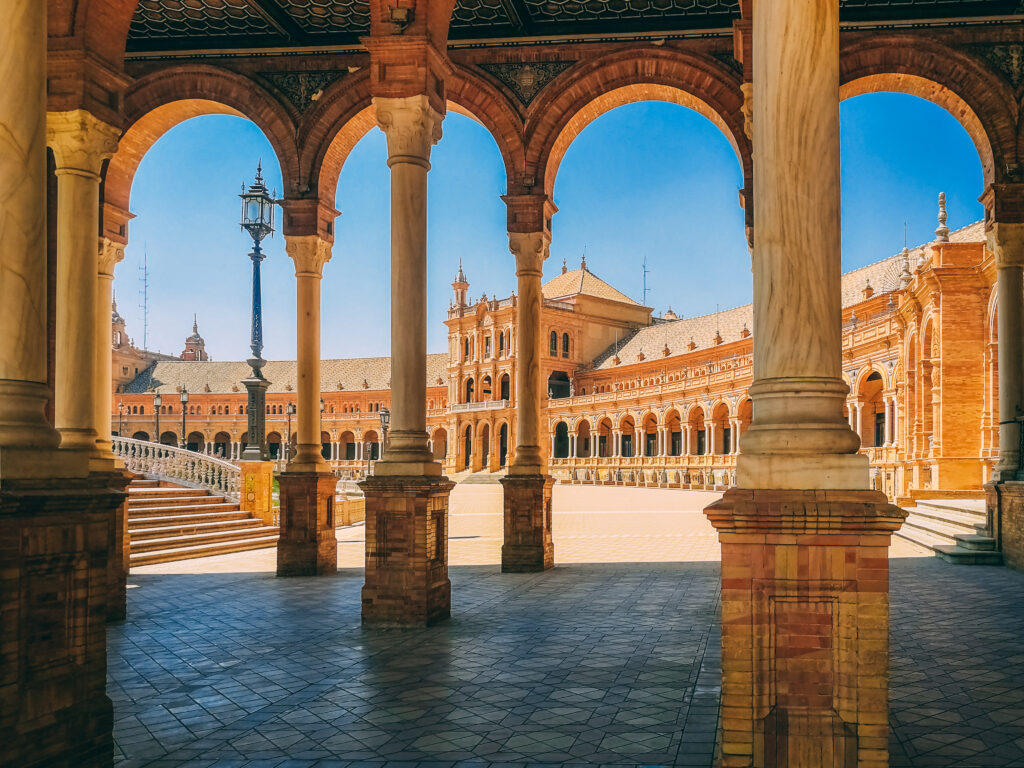
Forbes describes Andalucía as a travel destination undergoing an exciting evolution — one that combines timeless heritage with fresh cultural energy. The region features cities like Seville, Córdoba and Granada, each offering globally renowned historical landmarks but also modern cultural programming: contemporary art exhibitions, gastronomic innovations, and vibrant festival calendars that attract new audiences. (Forbes España)
In Seville, for example, historic sites such as the Alcázar are now paired with cutting-edge exhibitions at the Centro Andaluz de Arte Contemporáneo. Córdoba blends its UNESCO-listed Mezquita-Catedral with street art routes and culinary creativity, while Granada’s Alhambra and nightlife festivities make the city appealing year-round. (Forbes España)
This mix of heritage and innovation is part of Forbes’ reasoning for placing Andalucía among global destinations to watch in 2026. The region’s offerings promise “plans culturales de lo más rompedor” — cultural experiences that go beyond the traditional visitor itinerary. (Forbes España)
What This Means for Tourism and Real Estate
1. Increased Demand — and Rising Property Values
Recognition from a global brand like Forbes often drives international travel interest, especially among affluent visitors and repeat travelers looking for emerging destinations. This influence can translate directly into increased real estate demand in multiple ways:
- Short-term stays — Travelers inspired by the Forbes list may seek holiday rentals via platforms like Airbnb or Booking.com, driving up prices in popular nodes such as Seville’s historic centre or beachfront communities along the Costa del Sol.
- Second homes — Wealthy international buyers frequently invest in holiday homes in regions that gain global visibility, particularly where culture, climate and connectivity combine attractively. Regions with strong tourism branding often see property prices and transaction volumes rise. (INVESTINSPAIN.BE)
According to market analyses, tourism-driven demand has historically been a strong factor in Spanish property price growth, especially in coastal and culturally significant regions like Andalucía. (thinkSPAIN)
2. Investor Confidence and Development Activity
When a destination earns global media recognition:
- Developers and investors often view it as a signal of long-term appeal, potentially accelerating hotel constructions, mixed-use developments and luxury residential projects.
- Commercial real estate, including hospitality and retail spaces catering to tourists, can see heightened interest from institutional and private capital alike.
Spain’s broader tourism and real estate markets were already on an upward trajectory prior to the Forbes listing — with travel revenue hitting record highs and foreign investment remaining strong. (AP News) The Forbes nod could amplify that trend in Andalucía, drawing new kinds of visitors and capital flows.
3. Regional Economic Impact and Urban Renewal
Beyond property prices, increased tourism interest can benefit local economies and urban environments:
- Job creation in hospitality, leisure and services as visitor numbers grow.
- Infrastructure upgrades, from cultural institutions to transportation, often follow sustained tourist demand.
- Community revitalisation, as historic districts and local businesses see renewed activity and investment.
Cities within Andalucía are already positioning themselves accordingly — from promoting quality tourism at fairs like FITUR 2026 to strengthening cultural calendars that attract year-round visitors. (Cadena SER)
Balancing Growth with Sustainability
Yet rapid tourism-driven development also brings challenges. Other Spanish destinations have seen shifts in housing availability and affordability due to overtourism pressures and regulatory crackdowns on short-term rentals. (Reuters) If Andalucía’s profile continues rising in 2026 and beyond, policymakers will need to balance economic gains with long-term community sustainability.
Looking Ahead
With Andalucía now firmly on the global travel map for 2026, the region is poised for greater international exposure and economic momentum. The inclusion in Forbes’ list underscores not only its cultural allure but also the potential for real estate growth, foreign investment, and broader regional development as travel patterns evolve.