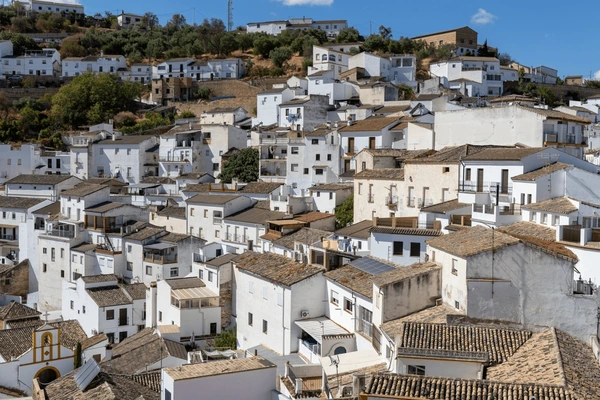
New figures show a major shift in how tourists stay on Spain’s Costa Blanca, with nearly 50 % of visitors opting for holiday homes, apartments, or stays outside traditional hotels. This trend underscores fundamental changes in tourism behaviour, accommodation economics, and regional policy debates and has tangible implications for both the tourism ecosystem and local housing markets.
Tourism Accommodation Data: A Growing Shift
A recent tourism study covering the Alicante/Costa Blanca region reveals that almost half of all visitors no longer stay in hotels, choosing alternative lodging like holiday homes, villas, apartments or stays with family and friends instead.
Key data highlights include:
- Holiday homes & apartments: In 2025, around 2.06 million visitors stayed in holiday homes and 1.6 million in holiday apartments, together representing over 21 million overnight stays across the region.
- Daily spend patterns: Tourists staying in holiday homes spent an average of €135 per day, amounting to about €1,323 per trip – a sizeable contribution to local economies.
- Economic share: Although hotels remain the largest single accommodation category, hosting nearly one in three visitors and generating more than €5.3 billion in spending, holiday home rentals accounted for a substantial €4.036 billion in tourist demand.
This trend isn’t isolated. Nationwide, short-term rentals have proliferated for years, outpacing hotel growth in key destinations and reshaping the accommodation landscape across Spain.
What’s Driving the Shift from Hotels to Holiday Homes
Several factors explain why so many Costa Blanca visitors are bypassing hotels:
Diversification of Accommodation Preferences
Tourists increasingly favour:
- Larger spaces – ideal for families or groups travelling together.
- Cost efficiency – sometimes cheaper per person when compared to hotel rates, especially for multi-night stays.
- Lifestyle experiences – private entrances, kitchens, sea views and outdoor areas that traditional hotel rooms can’t always match.
These preferences have fuelled stronger demand for non-hotel stays across Mediterranean Spain. - Relative Hotel Price Sensitivity
In many Mediterranean destinations, hotel room price inflation has been notable, creating demand for alternative lodging options – even as hotel occupancy rates remain solid.
Mid-Term and Flexible Rental Growth
In parallel, there’s a rising niche for mid-term furnished rentals (1–11 months) catering to remote workers, digital nomads and seasonal visitors – a segment that doesn’t require short-term tourist licensing but still fits the tourism-oriented market.
Regional Policy & Accommodation Debate
The penchants for non-hotel lodging have triggered intense debates in policy circles, particularly around housing supply, over tourism and quality of life:
Over tourism & Housing Pressure
Across Spain, including the Costa Blanca, the rapid growth of short-term vacation rentals has been linked with housing scarcity and rising rents for residents – a dynamic that has fuelled protests and policy actions in several major destinations.
Regulatory Response
In 2025, Spain strengthened its regulations around tourist accommodation, requiring stricter registration and licensing of short-term rentals to ensure compliance and protect local housing markets.
Local Debate in Alicante/Costa Blanca
Stakeholders – from local governments to housing advocates are debating how to balance:
- Tourism demand and economic benefits from holiday-related overnight stays.
- Housing availability and affordability for long-term residents.
- Sustainable planning to support both local quality of life and vibrant tourism.
The debate reflects a broader national conversation about how to manage accommodation markets in high-demand destinations without pricing locals out – an issue seen from Barcelona to the Balearic Islands.
Market Impact & Strategic Implications
For Tourism Stakeholders
- Diversified accommodation inventory strengthens the Costa Blanca’s appeal to a wide range of visitors – from budget travellers to families and groups seeking private stays.
- Holiday homes contribute meaningful tourism spend, complementing hotel revenue streams.
For Real Estate Markets
- The sustained appetite for non-hotel stays can boost demand for residential and vacation properties, impacting pricing dynamics in both short- and long-term housing segments.
- Regulatory shifts mean investors and developers must integrate licensing and compliance costs into investment planning.
For Local Policy & Communities
- Community leaders must balance tourism benefits with resident housing access and affordability – a challenge mirrored in many Spanish destinations dealing with over tourism and housing pressures.
NLS Conclusion
The finding that nearly half of Costa Blanca tourists are choosing non-hotel accommodation signals a significant shift in tourist behaviour and a strategic inflection point for destination management. As holiday homes and apartments capture an increasing share of overnight stays, stakeholders must adapt to a more complex lodging ecosystem – one shaped by evolving traveller preferences, regulatory reforms, and broader housing market pressures.
For agents, developers, policymakers and investors, understanding this shift is crucial. The accommodation mix now extends well beyond hotels, driving demand for well-managed holiday homes, mid-term rentals, and compliant, licensed tourist properties. Success in this environment depends on data-driven planning, regulatory alignment, and strategies that serve both tourism growth and residential affordability.
🔗 References
- Nearly half of Costa Blanca visitors now stay outside hotels, with strong holiday home and apartment demand.
- Spain’s tourism landscape as English-language reporting notes accommodation trends.
- Spain tourist rental inventory dynamics and regulatory context for STRs.
- Hotel occupancy and tourism behaviour trends in Costa Blanca.
- Growth of mid-term furnished rentals in coastal Spain.
- National tourism spending and visitor data (INE).