Southern Spain remains the country’s most active housing market as international demand continues to support coastal regions.
Introduction
Spain’s housing market entered 2026 with signs of moderation in some regions, but Andalusia continues to stand out as the country’s most active property market.
According to provisional data from the Spanish College of Registrars, Andalusia recorded the highest number of residential property transactions in Spain during January 2026, despite experiencing a modest year-on-year decline.
This reflects the region’s continued appeal to both domestic and international buyers.
Residential Property Transactions by Autonomous Community
(January 2026 vs January 2025 – Provisional Registradores data)
| Autonomous Community | 2026 Transactions | 2025 Transactions | YoY Change |
|---|---|---|---|
| Andalusia | 12,241 | 12,653 | −3.2% |
| Catalonia | 9,614 | 10,180 | −5.6% |
| Valencian Community | 8,464 | 9,476 | −10.8% |
| Community of Madrid | 6,976 | 8,799 | −20.8% |
| Canary Islands | 3,214 | 4,150 | −22.7% |
| Castilla-La Mancha | 3,107 | 3,811 | −18.5% |
| Galicia | 2,908 | 3,123 | −6.8% |
| Castilla y León | 2,744 | 2,978 | −7.9% |
| Basque Country | 2,416 | 2,547 | −5.1% |
| Murcia | 1,954 | 2,031 | −3.9% |
| Aragón | 1,481 | 1,676 | −11.7% |
| Balearic Islands | 1,367 | 1,460 | −6.4% |
| Asturias | 1,123 | 1,330 | −15.5% |
| Navarra | 812 | 675 | +20.4% |
| Cantabria | 687 | 718 | −4.3% |
| Extremadura | 631 | 644 | −2.1% |
| La Rioja | 412 | 450 | −8.4% |
| Ceuta | 63 | 57 | +10.5% |
| Melilla | 61 | 40 | +53.8% |
Why Andalusia Remains Spain’s Largest Housing Market
Several structural factors contribute to Andalusia’s strong housing market position.
International Demand
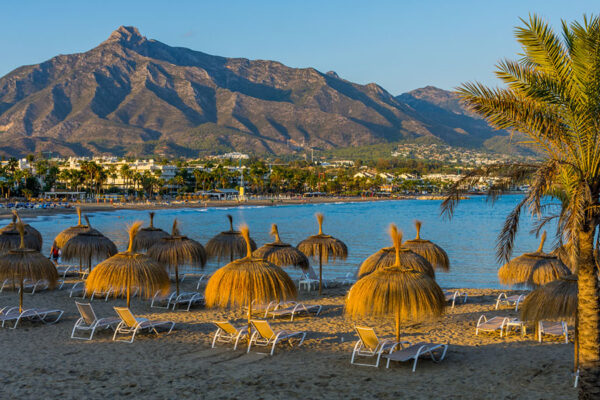
Coastal areas such as the Costa del Sol remain among Europe’s most attractive destinations for international property buyers.
In many municipalities along the Costa del Sol, foreign buyers represent between 30% and 40% of property transactions.
Demand from buyers in the United Kingdom, Germany, the Netherlands, and Scandinavian countries continues to support market activity.
A Large and Diverse Regional Market
Andalusia’s housing market benefits from its size and diversity.
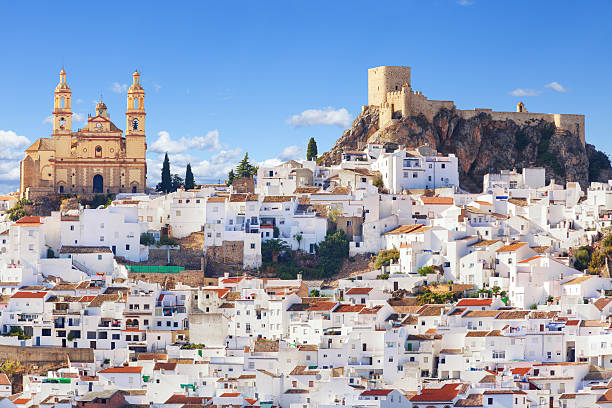
The region includes major cities such as Seville and Málaga, internationally recognised coastal property markets, and inland towns offering more affordable housing options.
This diversity helps maintain stable transaction volumes across different segments of the housing market.
The NLS Conclusion
Despite a modest year-on-year decline in transactions, Andalusia continues to lead Spain’s housing market in overall activity.
According to market monitoring by TheNLS.com, the region’s combination of international demand, tourism infrastructure, and diverse housing markets continues to make it one of the most resilient property markets in Spain.
As Spain’s property market becomes increasingly regionalised, Andalusia is expected to remain a key destination for both domestic and international property buyers throughout 2026.
Source: Spanish College of Registrars (Registradores)