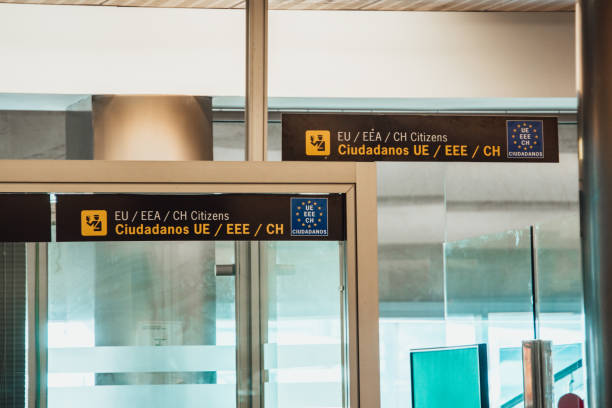
Spain, alongside the wider European Union, has officially begun rolling out a new digital border control system designed to modernise how travellers enter the Schengen Area.
The Entry-Exit System (EES), launched from April 10, 2026, replaces traditional passport stamping with biometric data collection, marking a significant shift in how short-stay visitors are processed at EU borders.
A New Era of Border Control in Europe
Under the new system, all non-EU and non-EEA travellers entering the Schengen Area for short stays (up to 90 days within a 180-day period) will be required to provide:
- Fingerprint scans
- Facial recognition data
- Digital entry and exit records
This data will be securely stored and used to monitor travel duration and compliance with visa regulations, reducing the risk of overstays and improving border security across the region.
Faster Processing — After Initial Adjustment
While the EES is designed to streamline border control in the long term, authorities across Spain are preparing for temporary disruption during the rollout phase.
Airports are expected to experience:
- Longer queues at immigration
- Slight delays for first-time users
- Additional checks during the transition period
However, once fully operational, the system is expected to significantly reduce processing times and eliminate the need for manual passport stamping.
Spain Prepares Key Travel Hubs
Major Spanish airports are already adapting to the new system.
At Palma de Mallorca Airport, authorities have introduced dedicated UK passenger lanes to help manage the transition efficiently—highlighting the importance of British tourism within Spain’s travel ecosystem.
Other major gateways across the country are expected to implement similar operational adjustments as the system scales.
What Travellers Should Expect
For those planning to travel to Spain and the Schengen Area in 2026:
- Be prepared to complete a biometric registration on arrival
- Allow extra time at immigration, particularly during the first few months
- Expect a smoother process on future trips once your data is registered
The system is mandatory, and participation will be required for entry into participating countries.
A Structural Shift in European Travel
The introduction of the Entry-Exit System represents more than just a procedural update—it reflects a broader move toward digitisation, security, and efficiency in European border management.
For Spain, one of the world’s most visited destinations, the successful implementation of EES will be key to balancing high tourism volumes with modernised infrastructure.
NLS Conclusion
The rollout of biometric border controls marks a significant evolution in how travellers access Europe.
While short-term delays are expected, the long-term outlook is clear: a faster, more secure, and more transparent entry process across the Schengen Area.
As international travel demand continues to rise, systems like EES will play a central role in shaping the future of mobility across Spain and beyond.