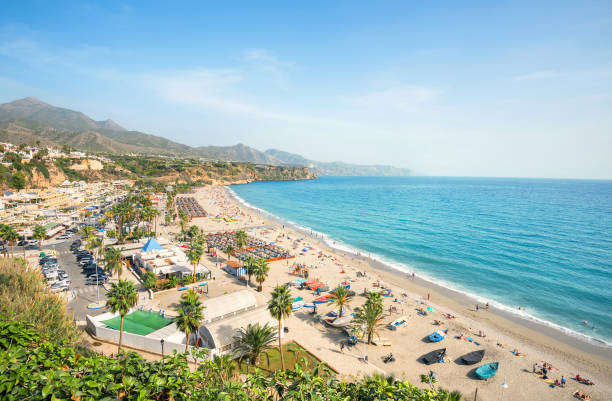
The Costa del Sol has once again reinforced its position as one of Europe’s leading coastal destinations after Málaga province retained 45 Blue Flag beach awards ahead of the 2026 summer season.
The internationally recognised Blue Flag programme evaluates beaches based on strict criteria including water quality, environmental management, cleanliness, accessibility, sustainability and visitor safety. Beaches across Marbella, Estepona, Benalmádena, Fuengirola, Nerja and Málaga secured certification as the region prepares for another high-demand tourism season.
The recognition arrives at a strategically important moment for Andalucía’s tourism industry, with analysts forecasting another record-breaking summer fuelled by continued demand from British, German, Scandinavian and Northern European travellers.
What The Blue Flag Programme Measures
The Blue Flag award is one of the world’s most recognised environmental certifications for beaches and marinas.
Assessment criteria include:
- Water quality and regular testing
- Beach cleanliness and waste management
- Safety infrastructure and lifeguard services
- Accessibility for visitors
- Environmental education initiatives
- Sustainable coastal management
For municipalities across the Costa del Sol, retaining Blue Flag status has become increasingly important not only for tourism marketing, but also for maintaining international credibility in an increasingly competitive Mediterranean market.
Key Points
- Málaga province retained 45 Blue Flag beach awards for 2026.
- Major coastal destinations including Marbella and Estepona maintained certification.
- Authorities continue investing in sustainable tourism infrastructure.
- “Smart beach” technology is being expanded across several municipalities.
- Tourism demand is expected to rise again during summer 2026.
- Environmental organisations continue warning about drought and overcrowding pressures.
Smart Beaches And Sustainability Investment
Several Costa del Sol municipalities are continuing to modernise beachfront infrastructure through the rollout of “smart beach” systems.
Projects being introduced or expanded include:
- Occupancy monitoring technology
- Digital water-quality reporting systems
- Enhanced recycling and waste management facilities
- Improved accessibility infrastructure
- Real-time visitor information systems
Local governments say the objective is to improve visitor experience while managing growing tourism volumes more efficiently during peak summer periods.
The wider strategy aligns with Andalucía’s increasing focus on “quality tourism” — prioritising sustainability, infrastructure standards and higher-spending visitors rather than pure tourism volume growth.
Tourism Demand Continues To Rise
The Blue Flag results arrive as the Costa del Sol prepares for another exceptionally strong tourism season.
Industry forecasts point toward:
- Continued growth in international arrivals
- High hotel occupancy across coastal municipalities
- Strong short-term rental demand
- Increased luxury tourism activity
- Rising demand for premium beachfront property
Tourism operators say environmental certifications are becoming increasingly influential in destination selection, particularly among families and affluent travellers seeking cleaner, safer and better-managed coastal destinations.
Hotels, restaurants, beach clubs and travel operators regularly incorporate Blue Flag recognition into international marketing campaigns promoting the region abroad.
Pressure On Infrastructure Remains A Concern
Despite the positive tourism outlook, environmental organisations continue warning about the long-term pressures facing Andalucía’s coastline.
Key concerns include:
- Water shortages and recurring drought conditions
- Coastal overcrowding during peak months
- Environmental strain linked to mass tourism
- Climate-related coastal challenges
- Pressure on public infrastructure and local services
Andalucía has faced repeated drought concerns in recent years, with water management becoming one of the region’s most significant long-term economic and environmental challenges.
Local authorities are increasingly attempting to avoid the overtourism tensions seen in destinations such as Barcelona and Palma de Mallorca by promoting a more sustainable tourism model focused on infrastructure quality, environmental standards and controlled long-term growth.
Why It Matters For Real Estate
For the Costa del Sol property market, coastal quality certifications continue to play an increasingly important role in international buyer perception.
Beach quality, environmental management and infrastructure standards are now closely linked to:
- Lifestyle-driven property demand
- Luxury tourism growth
- International relocation decisions
- Holiday rental performance
- Long-term investment appeal
As sustainability becomes more influential across both tourism and real estate sectors, environmental credentials are increasingly viewed as part of the region’s broader economic competitiveness.
NLS Conclusion
The Costa del Sol’s continued Blue Flag success reinforces the region’s position as one of Europe’s most established coastal tourism markets. However, the awards also highlight the growing challenge of balancing tourism expansion with environmental sustainability, infrastructure capacity and long-term resource management.
As visitor numbers continue rising, maintaining that balance may become one of the defining issues shaping the future of both tourism and real estate across southern Spain.