Sources: Travel And Tour World, Málaga-Costa del Sol Tourism Board, regional tourism and luxury property market reports (2026).
The Gulf’s Interest in the Mediterranean Is Growing
Luxury travel patterns are continuing to evolve, and one of the strongest emerging trends in 2026 is the increasing number of high-net-worth travellers from the Gulf Cooperation Council (GCC) choosing Mediterranean destinations for both holidays and long-term investment.
Countries including the United Arab Emirates, Saudi Arabia, Qatar and Kuwait are generating significant demand for premium experiences, with travellers seeking destinations that combine luxury hospitality, privacy, world-class amenities and strong international connectivity.
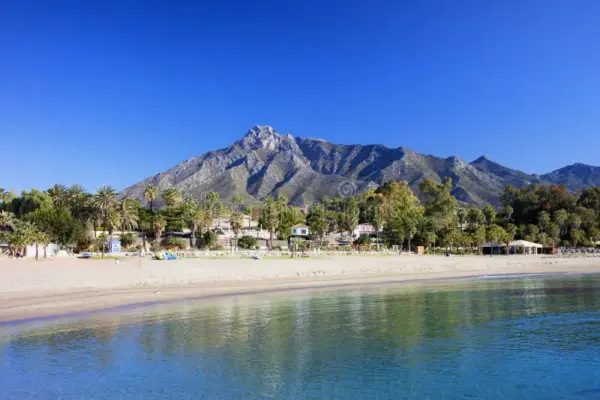
While cities such as Cannes, Monaco and the French Riviera remain established favourites, Spain’s Costa del Sol is rapidly strengthening its position as one of Europe’s most attractive luxury destinations.
Marbella Is More Than a Holiday Destination
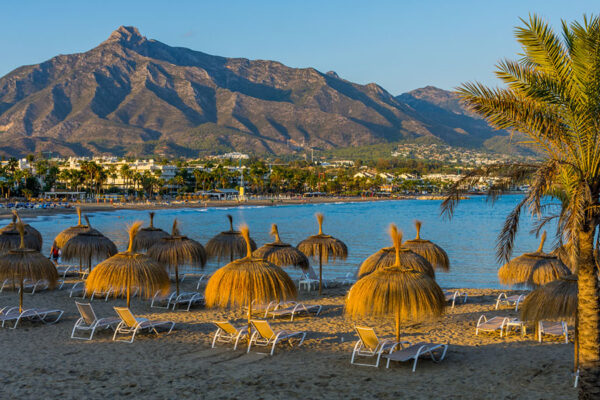
Marbella has spent the last decade transforming from a seasonal resort into an internationally recognised luxury lifestyle hub.
Today, buyers are drawn not only by its beaches and climate but also by its Michelin-starred restaurants, championship golf courses, luxury marinas, international schools, private healthcare and expanding collection of branded residences and five-star developments.
For many international visitors, a holiday is increasingly becoming the first step towards purchasing a second home or relocating permanently.
This shift continues to support demand across Marbella, Benahavís, Estepona and the wider Costa del Sol.
Luxury Tourism Often Leads to Property Investment
One of the strongest indicators for future property demand is high-value tourism.
As affluent travellers spend more time exploring a destination, they become familiar with its lifestyle, infrastructure and investment potential. Many eventually transition from visitors into homeowners.
This trend has already been seen with buyers from Northern Europe, the United Kingdom and the United States, and growing interest from Gulf countries could further diversify the international buyer base.
For estate agents and developers, this represents an opportunity to connect with a new audience looking for premium homes that offer both lifestyle and long-term value.
International Connectivity Continues to Improve
The Costa del Sol’s accessibility remains one of its greatest strengths.
Málaga Airport continues to expand its international network, making the region increasingly accessible for long-haul visitors. Combined with Spain’s high quality of life, favourable climate and modern infrastructure, this has reinforced the Costa del Sol’s reputation as a global destination for luxury living.
Improved connectivity makes it easier for international buyers to visit properties regularly and maintain second homes, further supporting confidence in the market.
Looking Ahead
As global wealth becomes increasingly mobile, destinations that combine lifestyle, security and investment potential are expected to attract growing international interest.
For Spain’s luxury property sector, the continued rise in affluent visitors from the Gulf is another indication that the Costa del Sol is evolving into one of Europe’s most internationally diverse real estate markets.
For professionals across the industry, understanding these changing buyer demographics will be essential as new sources of international demand continue to shape the future of the market.
NLS Conclusion
The growing interest from Gulf travellers highlights another shift in Spain’s evolving luxury property market. As Marbella continues to strengthen its global reputation, expanding international demand is creating new opportunities for estate agents, developers and investors across the Costa del Sol.