At a time when coastal property prices are reaching new records, one Andalusian municipality demonstrates the extraordinary differences within Spain’s housing market.
Fuente Obejuna, in Córdoba province, was identified as Spain’s cheapest municipality for purchasing property during the second quarter of 2026. Average advertised prices stood at approximately €369 per square metre.
At that level, an 80-square-metre property would theoretically cost around €29,520 before taxes, professional fees and renovation expenses. The municipality’s average price is approximately 87.4% below the Andalusian regional average.
Two Spanish property markets
The comparison between Fuente Obejuna and coastal destinations illustrates that Spain’s housing crisis is not simply a national shortage of buildings.
Spain has homes, but many are located in places with limited employment, declining populations or insufficient services. The most severe shortage exists in successful metropolitan areas, islands and coastal regions where employment and lifestyle demand are concentrated.
This creates two parallel realities.
In one Spain, buyers compete for limited stock and prices rise by double digits. In another, properties remain extremely inexpensive because the local economy cannot generate sufficient demand.
Is cheap property automatically a good investment?
A low purchase price can be attractive, but it does not guarantee a strong investment.
Investors must consider employment, population trends, rental demand, transport, healthcare, internet access, maintenance costs and the ability to resell.
An inexpensive property requiring extensive structural work may ultimately cost more than a modern apartment in a stronger location.
Liquidity is equally important. A property has little practical value as an investment if it cannot be sold or rented when the owner’s circumstances change.
Opportunities for remote workers and lifestyle buyers
The growth of remote work could create opportunities for affordable inland communities.
Buyers who do not need to commute daily may be attracted by space, community and lower living costs. However, reliable digital infrastructure and access to essential services are necessary.
Local authorities could encourage regeneration by simplifying renovation procedures, supporting small businesses and improving transport connections.
The Costa del Sol comparison
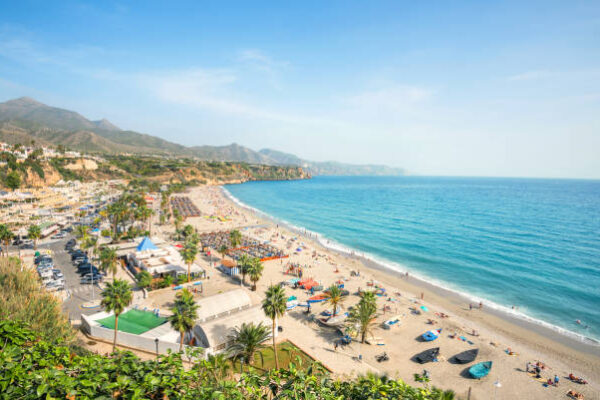
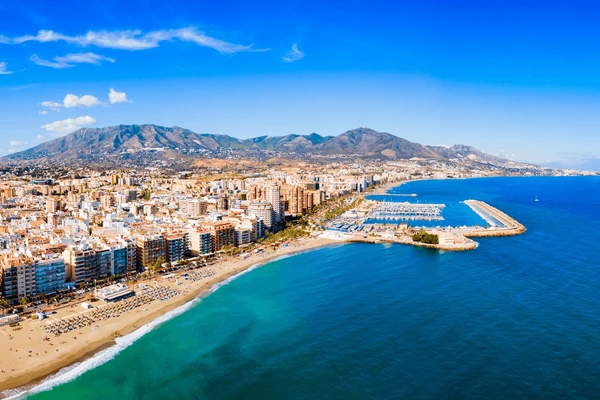
The price difference between inland Córdoba and the Costa del Sol reflects the premium attached to coastline, employment, international schools, airports, entertainment and established buyer demand.
A Costa del Sol buyer is not simply paying for square metres. They are paying for access to an economic and lifestyle ecosystem.
Nevertheless, extreme price differences may encourage some purchasers to consider inland Málaga, Cádiz, Granada or Córdoba rather than established coastal zones.
Could Costa Blanca buyers move inland?
A similar pattern already exists in Alicante province.
Buyers priced out of frontline Costa Blanca locations frequently consider inland towns where villas and traditional homes offer more space. The success of these locations depends heavily on road access and the time required to reach beaches, airports and services.
The inland market may therefore receive increasing attention as coastal affordability declines.
Mallorca has fewer alternatives
Mallorca cannot offer the same large-scale inland affordability as mainland Spain.
Even rural and interior properties may carry significant value because of the island’s restricted supply and international demand. Renovation controls, protected land and limitations on legal residential use must be carefully examined.
NLS Conclusion
Spain’s cheapest municipality is a reminder that price and value are not the same thing.
Fuente Obejuna may offer genuine lifestyle or regeneration opportunities, but purchasers should investigate the local economy and the condition of the property as carefully as the advertised price.
Spain does not merely need more housing. It needs more suitable housing in economically sustainable locations.