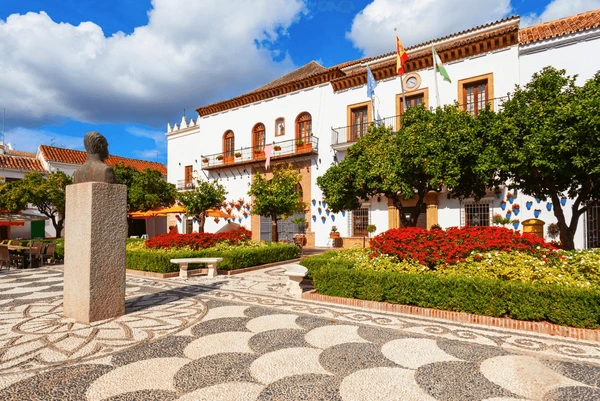
Hungarian buyers are increasingly turning to Spain’s coastal property market, with demand growing for modern apartments in Marbella, Estepona, Mijas and Manilva.
Interest in Spanish real estate among Hungarian buyers has increased by 15% compared with last year, according to new figures from international real estate agency Duna House.
The rise reflects continued demand for properties along the Costa del Sol, where buyers are seeking a combination of lifestyle benefits, rental opportunities and long-term investment potential.
While Marbella remains a popular destination, Hungarian buyers are increasingly exploring neighbouring areas, including Estepona, Mijas and Manilva.
What Are Hungarian Buyers Looking For?
According to Duna House, Hungarian clients visiting the Costa del Sol in 2026 have primarily been searching for newly built two-bedroom apartments priced between €350,000 and €600,000.
However, official transaction data suggests that many buyers ultimately purchase smaller and more affordable properties.
More than 60% of apartments purchased by Hungarian buyers in Spain measure less than 80 square metres. By comparison, American, Dutch and British buyers are more commonly associated with purchases of larger properties exceeding 100 square metres.
The Costa Blanca is also attracting attention, particularly Torrevieja, where apartments typically range from €250,000 to €400,000 depending on their size.
Stronger Hungarian Currency Boosts Purchasing Power
Currency movements have also contributed to growing interest in Spanish property.
Viktória Udvarnoki, head of Duna House’s Spanish office, highlighted that the strengthening Hungarian forint has made euro-denominated property purchases more affordable.
A €400,000 coastal apartment now costs Hungarian buyers more than nine million forints less than it did in March 2026.
This improvement in purchasing power has created additional opportunities for buyers considering overseas property investments.
Investment and Rental Potential Drive Demand
Many Hungarian buyers are purchasing properties with a combination of personal use and rental income in mind.
According to Duna House, buyers typically plan to spend several weeks each year in their Spanish properties while renting them out during the remaining months.
This approach reflects a broader trend among international buyers seeking holiday homes that can also serve as income-generating assets.
The growing interest in Estepona, Mijas and Manilva also suggests that buyers are looking beyond established luxury destinations in search of alternative locations and property options.
Foreign Buyers Continue to Shape Spain’s Property Market
International demand remains a significant force in Spain’s residential property sector.
According to figures cited in the report, foreign buyers purchased 51,630 homes across Spain during the first half of 2026.
Coastal regions continue to attract particularly high levels of international activity, with foreign buyers accounting for:
- 45.5% of purchases in Alicante province.
- 35.7% of purchases in Málaga province.
- 30.5% of purchases in the Balearic Islands.
Meanwhile, Spanish apartment prices have reportedly increased by 12% over the past year, reflecting continued pressure on housing supply and demand.
What Does This Mean for the Costa del Sol?
The increase in Hungarian interest highlights the increasingly diverse international buyer base supporting the Costa del Sol property market.
While British, Dutch and German buyers remain important groups, growing demand from Central and Eastern European countries presents additional opportunities for real estate professionals.
For agents and developers, understanding the preferences of emerging international buyer groups could become increasingly valuable, particularly in the mid-market apartment segment.
With Hungarian buyers showing interest in properties between €350,000 and €600,000, areas such as Estepona, Mijas and Manilva may continue to benefit from demand beyond Marbella’s traditional luxury market.
Source: Hungary Today / Duna House, 26 October 2026.