Spain’s property market is being forced to confront climate risk as extreme heat and major wildfires affect large areas of the country.
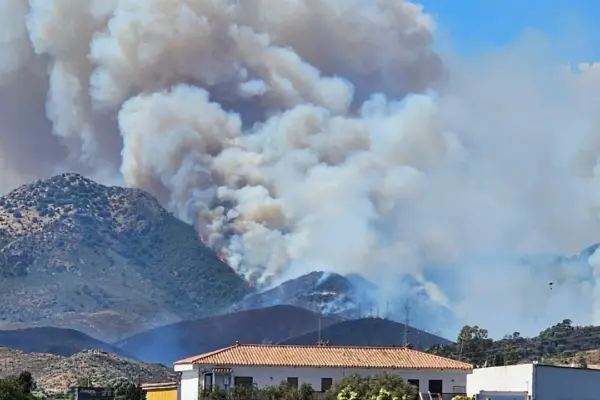
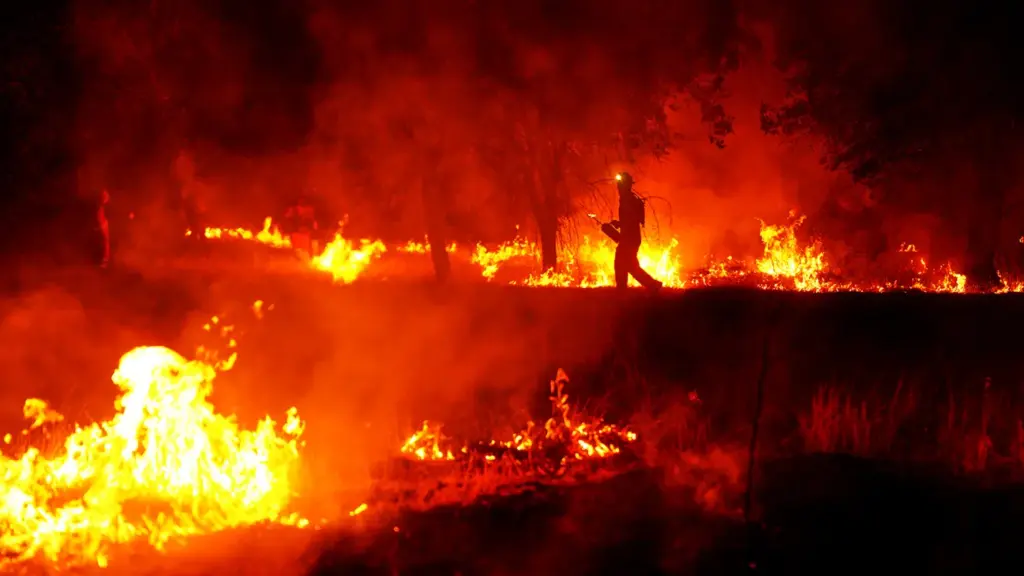
During the week ending 25 July 2026, Spain declared a national emergency as fires near Madrid and Ávila forced large-scale evacuations and threatened residential communities. Tens of thousands of people were evacuated or confined, while homes, roads and natural areas were placed at risk.
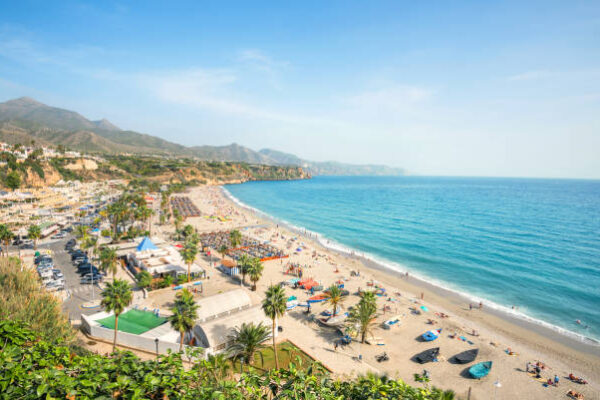
Although the most serious incidents were not concentrated on the Costa del Sol, Costa Blanca or Mallorca, the implications are relevant to every warm-climate property market.
Climate risk becomes property risk
Climate change is no longer a distant environmental consideration for property purchasers.
It can affect insurance availability, premiums, building regulations, water supply, energy costs and the desirability of particular locations.
Properties near forested areas may offer exceptional views and privacy, but they can also face greater wildfire exposure. Isolated villas may depend on a single access road, making evacuation more difficult.
Buyers must therefore evaluate the wider setting, not merely the house.
Questions buyers should ask
Purchasers considering rural or semi-rural properties should establish:
- Whether the property lies within a recognised fire-risk area.
- How vegetation is managed around the building.
- Whether emergency vehicles can access the property.
- Whether the community maintains firebreaks.
- Whether water reserves or hydrants are available.
- Whether suitable insurance can be obtained.
- Whether extensions and outbuildings were legally constructed.
These questions should become part of standard property due diligence.
Costa del Sol implications
The hills behind Marbella, Estepona, Mijas and Benahavís contain many luxury villas and residential developments surrounded by vegetation.
These locations are attractive precisely because they offer privacy and natural surroundings. That does not make them unsuitable, but it increases the importance of community management and emergency planning.
Modern properties may gain an advantage when they include fire-resistant landscaping, maintained access, water storage and resilient construction materials.
Costa Blanca implications
Costa Blanca includes extensive urbanisations close to pine forests and dry terrain.
Some properties are used only seasonally, which can make vegetation management more difficult. Owners’ associations and local authorities will need to ensure that plots are maintained even when owners are abroad.
Insurance documentation and community emergency procedures should be available in languages understood by international residents.
Mallorca implications
Mallorca’s rural fincas and mountain properties are among the Mediterranean’s most desirable homes. They can also be exposed to heat, drought and wildfire.
Purchasers should check legal access, water sources, woodland-management obligations and the property’s distance from emergency services.
The ability to insure a finca comprehensively may eventually become as important to its marketability as its views or architectural character.
Climate-resilient homes may command premiums
Energy efficiency has traditionally been presented as a means of reducing utility bills. It is increasingly becoming part of a property’s risk profile.
Well-insulated homes with efficient cooling, solar generation, water storage, shaded outdoor areas and resilient landscaping may attract stronger demand.
Older homes that perform poorly during heatwaves may require substantial investment to remain comfortable and insurable.
NLS Conclusion
Spain’s wildfire emergency is a human and environmental crisis first, but it also carries a clear message for the property industry.
Climate exposure must become part of property selection, valuation and disclosure. Buyers deserve transparent information about the risks surrounding a home, while agents should avoid treating environmental conditions as somebody else’s responsibility.
The most valuable properties of the future may not simply have the best views. They may be the homes best prepared for the climate in which they are located.